アメリカ映画『世界の七不思議』(原題:Seven Wonders of The World)は、
1956年に製作されたドキュメント映画です。
巨大な3面スクリーン方式を採用した“シネラマ方式”の三作目にあたります。
日本では、昭和32年3月から公開されました。
この映画の音楽を担当した人物として、公式には
エミール・ニューマン (Emil Newman)
デイヴィッド・ラスキン (David Raskin)
ジェローム・モロス (Jerome Moross)
の3人となっていますが、これは当時の事情があって、
そのように発表されているに過ぎず、実際には
この限りではないことを、筆者は当時かかわった
複数の人物によって、証言を得ております。
この映画は、まずスタンダード・サイズの画面にて、
古代の七不思議について説明がされます。その後、
現代の世界の七不思議を求めて冒険の旅に出る・・・
という展開になり、3面のスクリーンへと広がり、
世界の各地へ飛んでいくことになります。
中でも、日本の場面が一番長く、
各地でロケが行われながら、現地の音楽も
ふんだんに使われました。
製作者のローウェル・トーマス (Lowell Thomas) の
同名の自書(Seven Wonders of The World)でも、
映画の現地ロケについて、背景を軽く触れられておりますが、
詳しい音楽の内容・・・曲名、アーティスト、作詞作曲者など
については、わからないまま、としているんです。
この映画の「音楽の情報」については、1990年代当時、
シネラマを保存して後世に残そうと活動されていた人たちと
情報交換もしていますが、彼らの手元にも、詳しい音楽情報は
何も残っていませんでした。
しかしながら、彼らから「デモ音源」
(実際のフィルムの控えとして残されていた音声部分のテープ)
の複写をいただいたことで、私は劇中に使われていた音楽を
調べることができました。
もちろん、全部は分からないので、日本国内、アメリカ、
イギリスでも、色んな方にお尋ねし、分かった部分を
パズルのように組み立てていきました。
日系二世の音楽家のTak Shindo 先生も、この映画には
かかわっていて、筆者は直接に教えてもらっています。
どの部分かを発見できるように、当時の楽譜と、
シネラマプロダクションとの契約書のコピーをいただき
その部分は、かつて一度も音源化されていないことを発見!
さっそく復刻CDにて発表させていただきました。
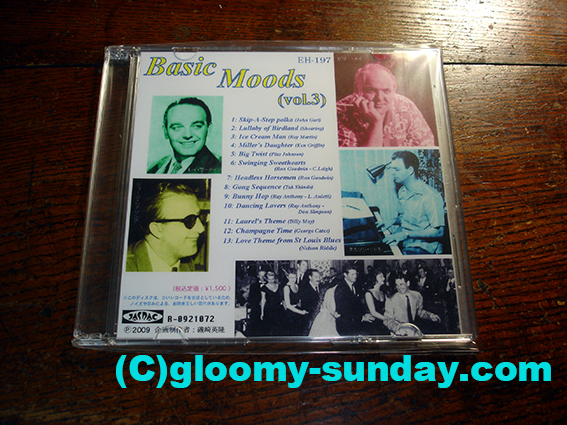
これは、世界初の音源化、音楽CDで世界初公開の音源でもあります。
『ベーシック・ムード Vol.3』(EH-197)に収録。
(It can only be viewed from within Japan)
ちなみに、Tak Shindo先生からいただいた
楽譜のコピーと契約書のコピーは、上記のシネラマを保存し
後世に残そうと活動していた組織の会長に(私のコピーを)
差し上げています。
日本の場面は、宝塚に関わっていらした橋本雅夫 氏と
手紙の交換により、多くの情報をいただいたのと同時に
劇中に出演している宝塚の主演人物とも連絡を取っていただきました。
このようにして、色々な断片情報をまとめながら、
書かせていただいた話は、筆者の
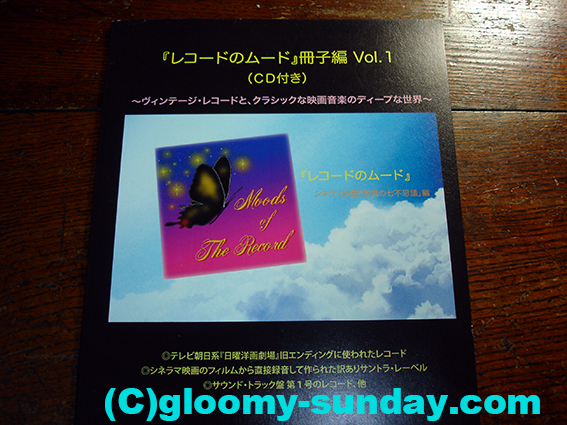
『レコードのムード』冊子編 Vol.1(CD付き)
に掲載しております。なお、このCDには、ラストの場面で
流れる超稀少なサウンド・トラック音源も入っています。
ここで、ひとこと言えることは
CDまたはレコードになっている
アメリカ映画『世界の七不思議』のサウンド・トラック
(複数の曲を収録しているCD、レコードの中)で、
著作の権利をクリアしているのは
全世界の中でも、「筆者の作った復刻CDのみ」です。
劇中の曲名も作詞作曲者も分かっていない人たち(会社)が、
どうやって権利処理をしますか?
ちなみに1956年頃に作られた「Admiral」レーベルは、
正規盤ですが、“この映画の音楽”は使っていません。
“この映画でも音楽以外の音声”を使っているのです。
アメリカ映画『世界の七不思議』のサウンドトラックの全貌を知っている、全世界でただ一人の人物
とは、何だか凄いタイトル表現ですが、
映画製作者達でさえ、記録に残さなかったものを
筆者がひとりで調べたことと、筆者が教えてもらった方達も、
みんな亡くなってしまったので、
間違ってはいないと思いますが・・・(苦笑)
© 2026 磯崎英隆 (Hidetaka Isozaki)
The Only Person in the World Who Knows the Complete Story Behind the Soundtrack of the American Film “Seven Wonders of the World”
“Seven Wonders of the World” (1956) was the third feature produced in the famous Cinerama process, using a spectacular three-screen presentation. While the film officially credits Emil Newman, David Raksin, and Jerome Moross for its music, information obtained from several people involved in the production suggests that the actual musical contributions were more complex than the published credits indicate.
The film contains extensive location footage from around the world. The Japanese sequences are among the longest in the production and feature a considerable amount of locally sourced music. However, even producer Lowell Thomas, in his book Seven Wonders of the World, did not identify the individual songs, performers, composers, or lyricists used throughout the film.
During the 1990s, I corresponded with Cinerama preservationists in the United States and Europe. Although they had preserved many aspects of the film, detailed documentation concerning the soundtrack had largely disappeared. Through their assistance, I obtained copies of demo audio recordings that had survived from the original production materials. Using these recordings, I began a long investigation into the music actually heard in the film.
The research eventually involved contacts in Japan, the United States, and the United Kingdom. Information was gathered piece by piece, often from people who had direct connections to the production or to the performers involved.
One of the most important contributors was Japanese-American composer Tak Shindo, who personally provided me with copies of original music manuscripts and contractual documents relating to his work for the film. These materials enabled me to identify music that had never previously been released in any form. Recordings of this music were later issued on my restoration CD, representing the first public release of these performances.
Additional information regarding the Japanese sequences was obtained through correspondence with Masao Hashimoto, who had connections with the Takarazuka Revue and helped establish contact with performers who appeared in the film.
Today, most of the individuals who shared this information with me have passed away. As a result, much of the knowledge concerning the film’s soundtrack appears to survive only through the research that was conducted over many years.
For that reason, the title of this article may sound exaggerated, but considering that even the filmmakers themselves left no complete record of the music used in the film, it may not be entirely inaccurate.
© 2026 Hidetaka Isozaki